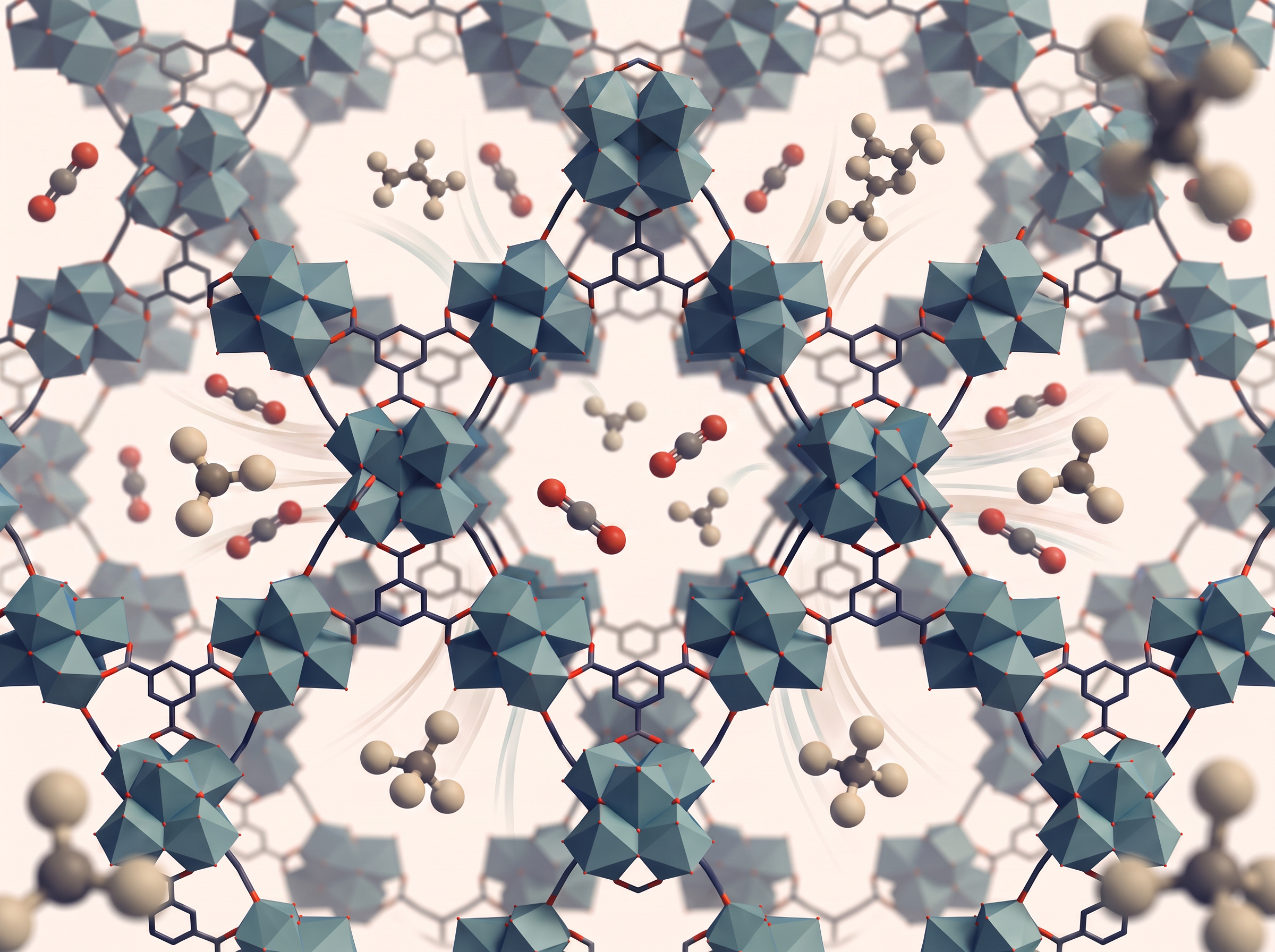
01 — Scientific Challenge
Designing Functional Porous Materials
Engineering porous materials with atomically defined architectures to control adsorption, catalysis and molecular transport.
Research
Our research seeks to understand how atomic-scale structure governs adsorption, catalysis and molecular transport, enabling the rational design of next-generation porous materials.
Scientific Vision
How does atomic structure
determine function?
Scientific Challenges
Our research is organized around four fundamental scientific challenges that connect atomic-scale structure with the emergence of function in porous materials. Together, they define the conceptual framework that guides our research—from fundamental understanding to rational materials design.
Engineering porous materials with atomically defined architectures to control adsorption, catalysis and molecular transport.
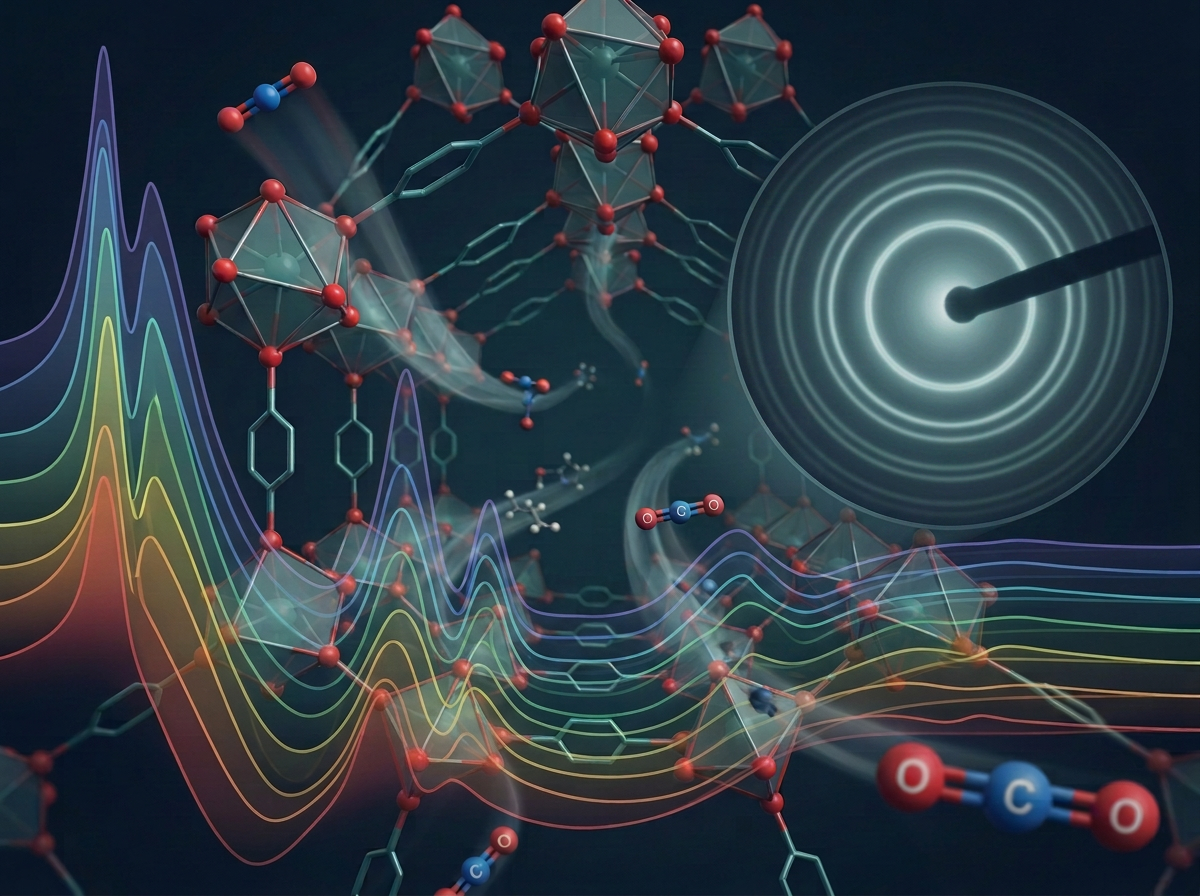
Uncovering local order, disorder, defects and interfaces beyond the average crystal structure and across multiple length scales.
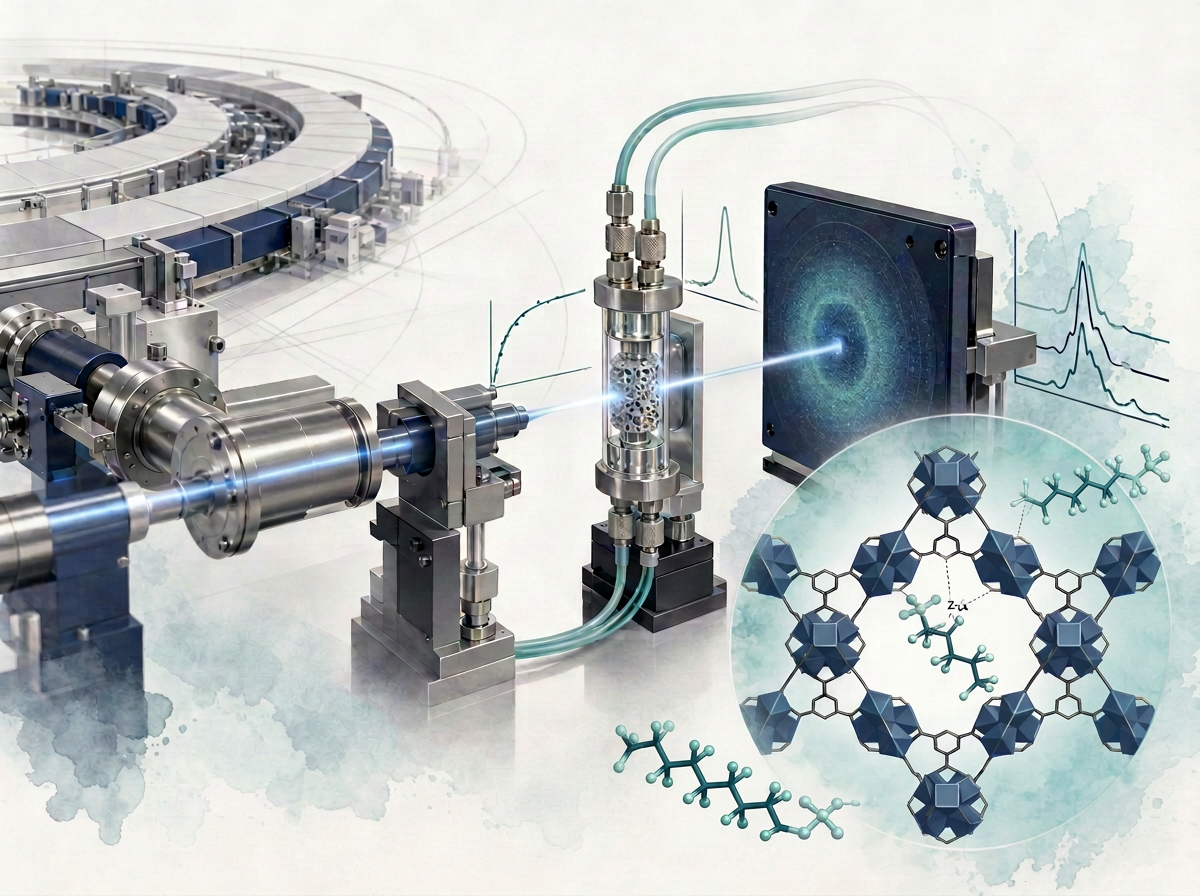
Tracking structural transformations under realistic operating conditions through in situ and operando experiments.
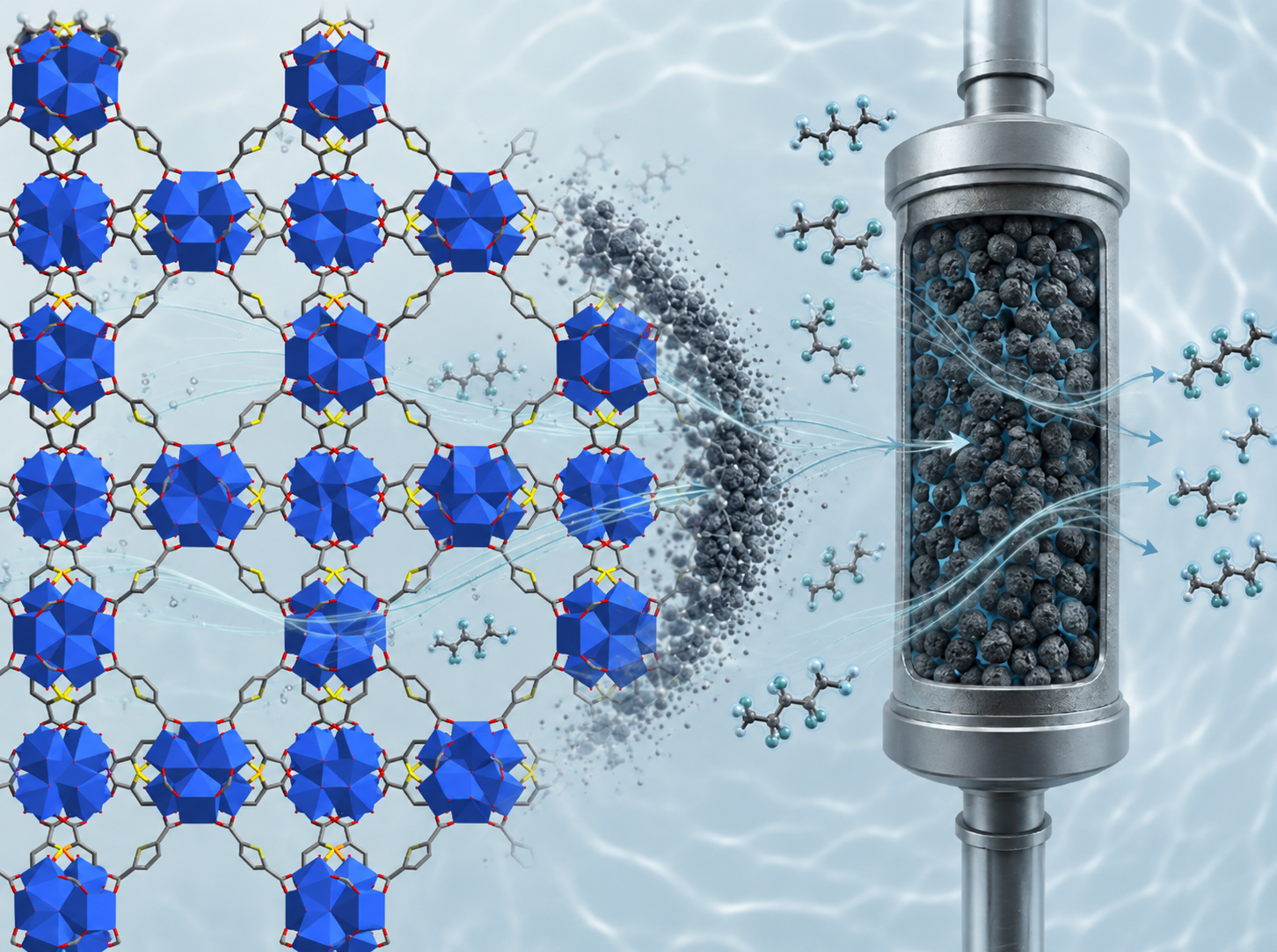
Establishing quantitative structure–property relationships to guide the predictive design of functional porous materials.
Research Highlights
Representative contributions to porous materials research, spanning materials design, advanced characterization and environmental applications.
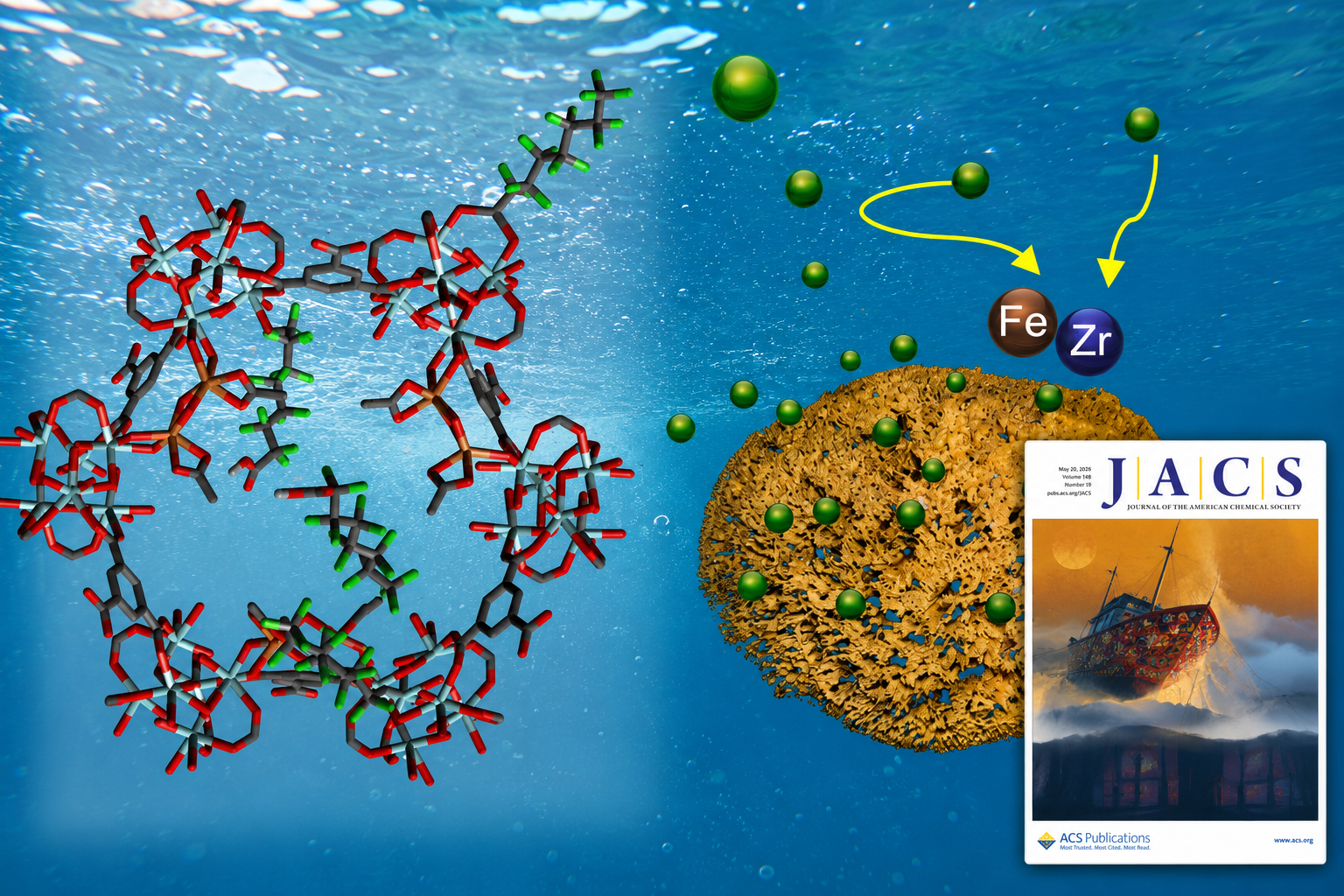
Atomically engineered cooperative binding sites within a zirconium MOF enable ultrafast and highly selective capture of perfluorooctanoic acid through synergistic host–guest interactions.
Read publication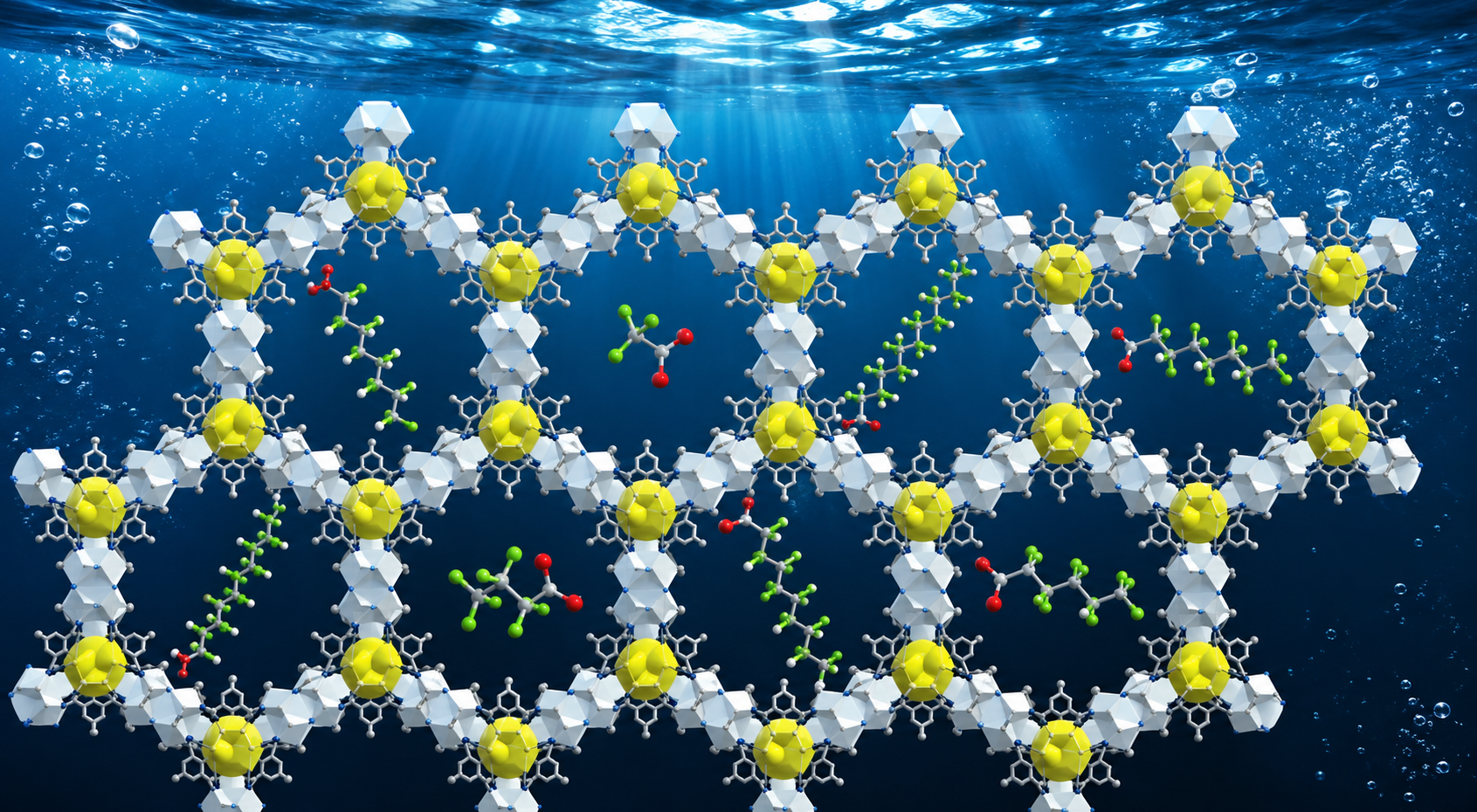
A zirconium MOF achieves exceptionally fast and efficient removal of persistent PFAS contaminants, demonstrating outstanding adsorption kinetics for water purification.
Read publication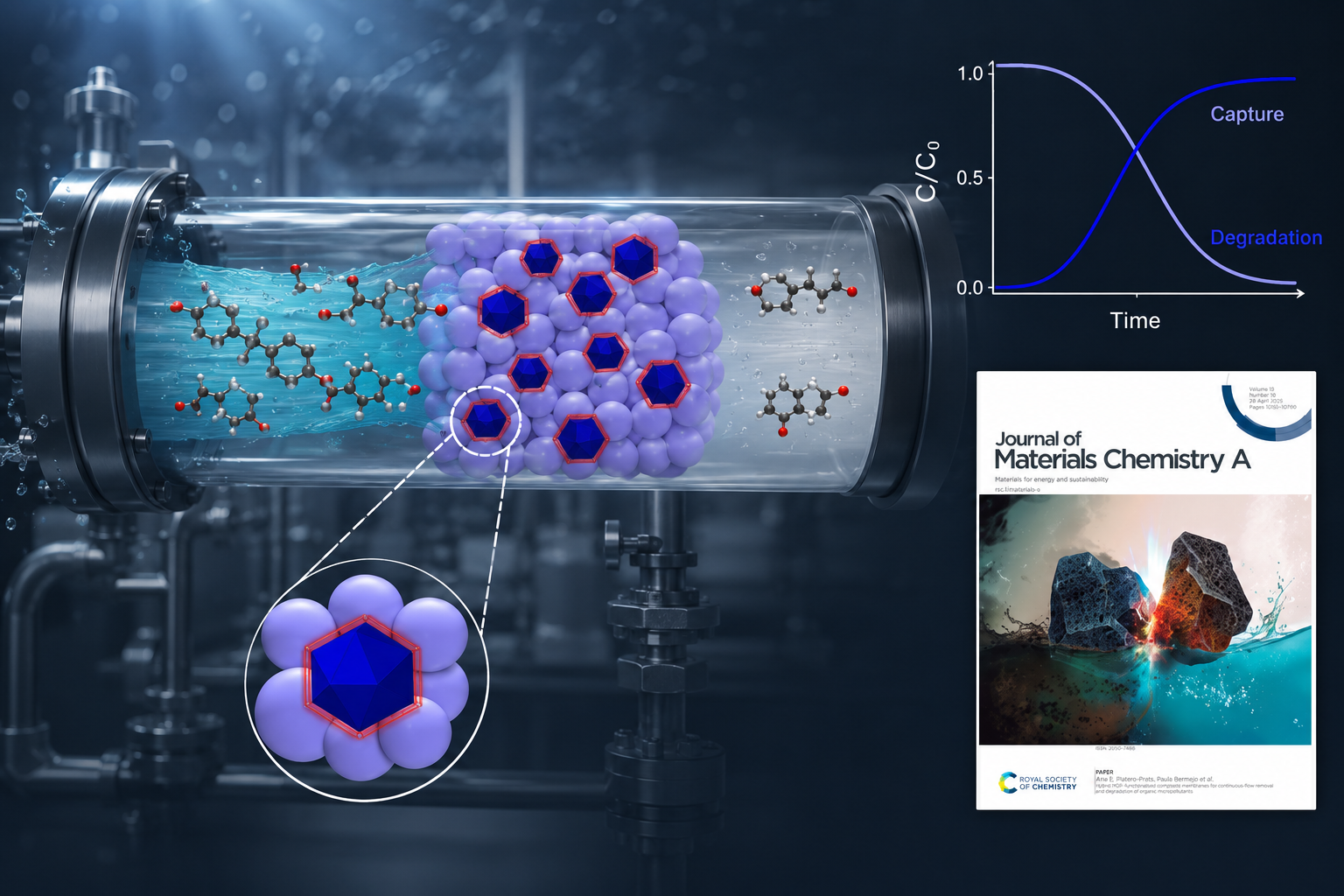
Hybrid COF–MOF composites combine high adsorption capacity with continuous-flow operation, enabling efficient removal of phenolic contaminants from water.
Read publication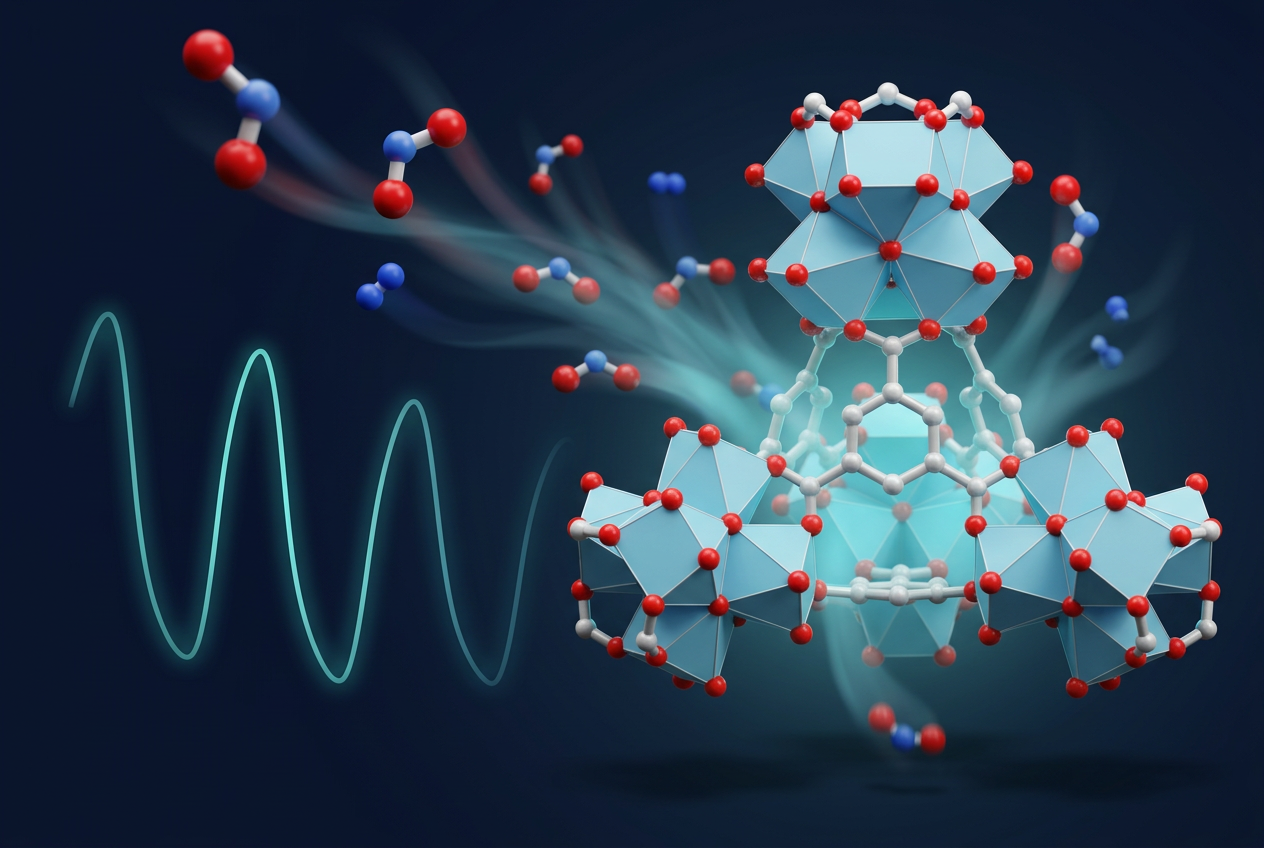
Copper-functionalized MOFs combine complementary adsorption sites to achieve highly sensitive, selective and reversible optical detection of nitrogen dioxide.
Read publication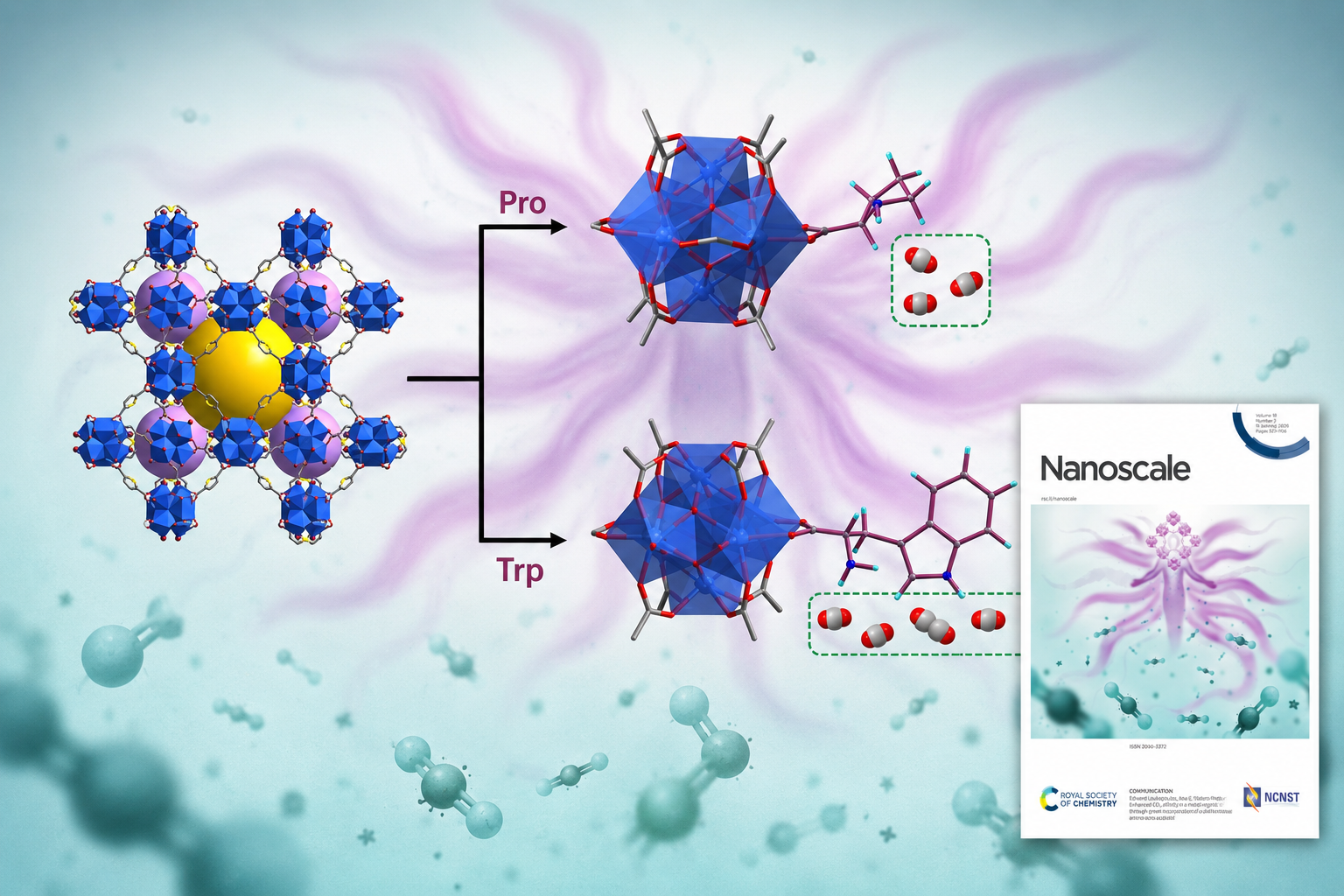
Understanding the atomic-scale structure of MOFs reveals the key interactions governing carbon dioxide adsorption, guiding the design of more efficient carbon capture materials.
Read publication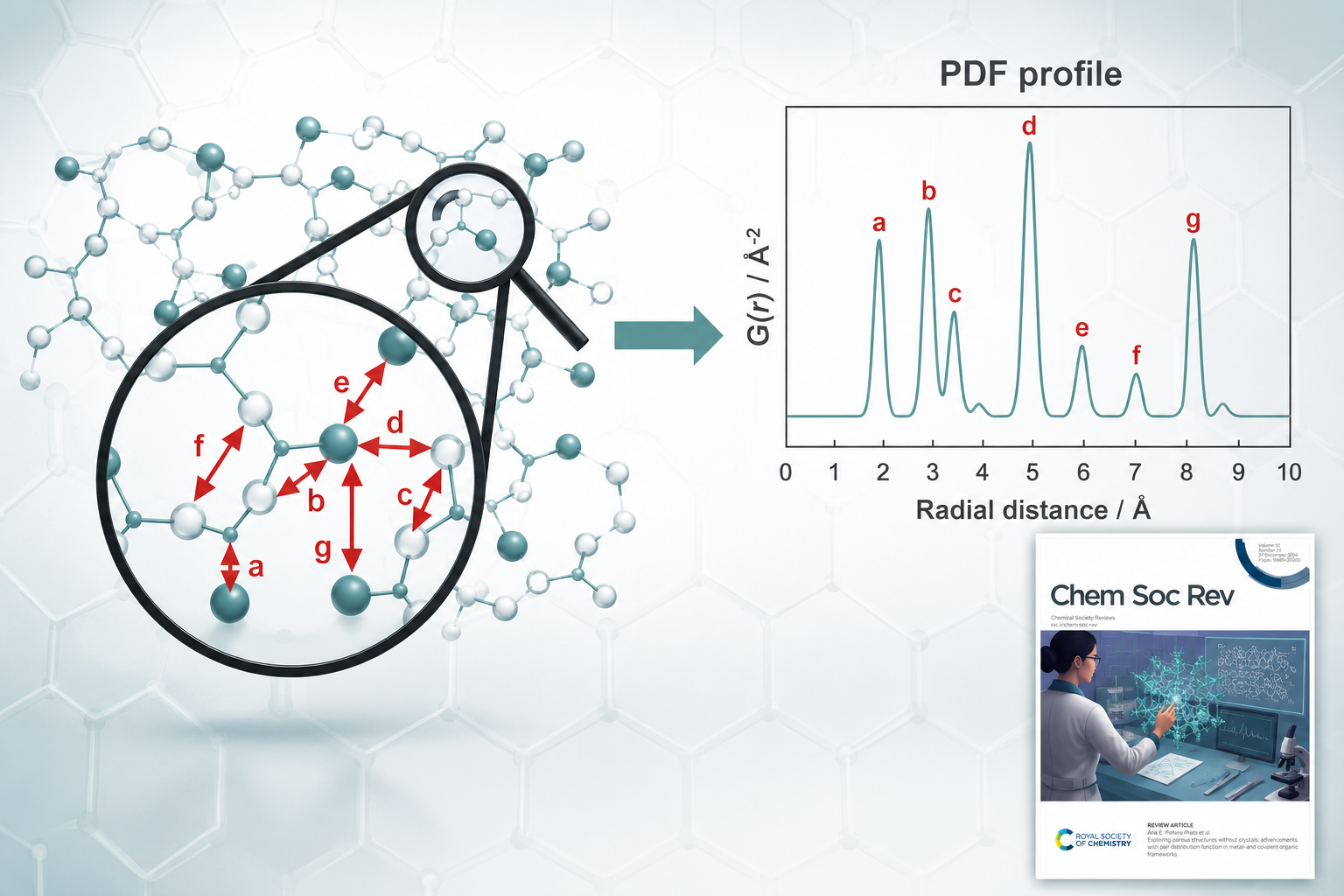
A comprehensive perspective on Pair Distribution Function analysis for revealing local order, disorder and hidden structural complexity in porous framework materials.
Read publicationMultiscale Characterization
Oxidation state & coordination
Local & medium-range order
Framework architecture & porosity
Particles & interfaces
Real-time structural evolution
Oxidation state & coordination
Local & medium-range order
Framework architecture & porosity
Particles & interfaces
Real-time structural evolution
Integrating complementary structural information across all length scales
International Research Infrastructure
Through long-standing collaborations and competitive beamtime, our group carries out experiments at premier synchrotron facilities across Europe and the United States.
We combine materials chemistry, advanced characterization and data analysis to uncover the structural principles that govern functional porous materials.